
2 Ways to Start a Lash Brand
Choose a launch path that fits your timeline and budget. This page explains the real difference between white label and private label, plus practical next steps to move from idea to first sale.
Practical guidance to understand product types, positioning, and what beginners typically miss.
Explore lash collections to quickly shortlist what fits your customer and price point.
Work with a manufacturer on specs, packaging, and production planning for your brand.
A clear packaging roadmap: structure, materials, visual system, and practical decisions.
What Does It Mean to Start a Lash Brand
Starting a lash brand means selling eyelash products under your own brand name—usually through eCommerce, social platforms, salons, or local retail partners. The key decision is how you source products and how much control you want over the final outcome.
Most founders choose between two manufacturing paths: white label (fastest launch, limited uniqueness) and private label (higher control, more differentiation). Each has a clear place depending on your budget, urgency, and long-term plan.
If you want speed and low risk, start with white label. If you want stronger differentiation and pricing power, build toward private label—often after you validate demand.
What Are White Label Lashes
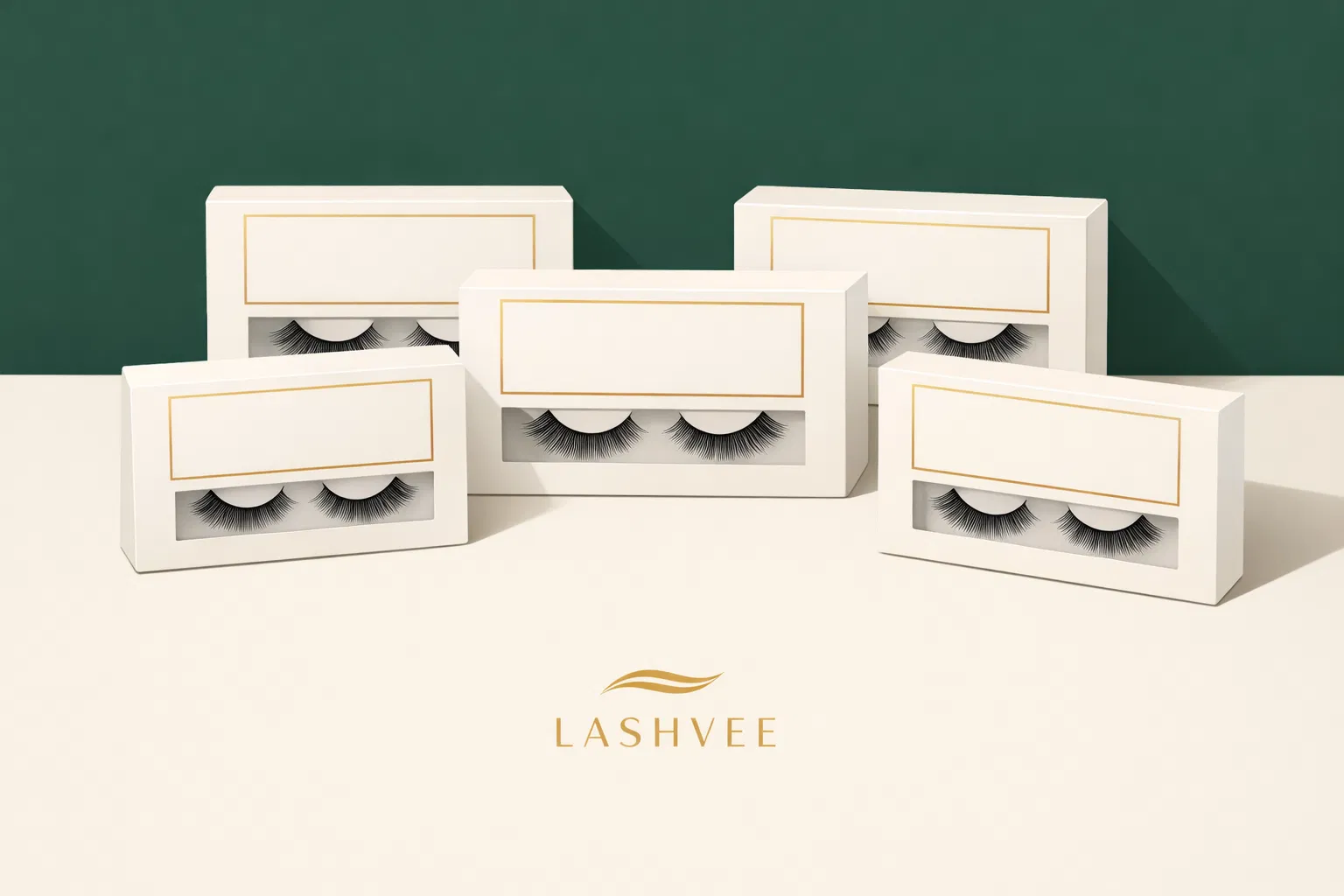
White label lashes are ready-made products produced by a supplier that you can rebrand and sell under your own name. The product stays the same; your main work is branding—packaging, label system, product naming, and marketing.
Why Choose White Label
- ✓Lower startup cost: no R&D or product development spend
- ✓Faster launch: shorter timeline from concept to sales
- ✓Stable baseline quality: proven production processes
- ✓Brand-first focus: spend energy on positioning and customer acquisition
What Are Private Label Lashes
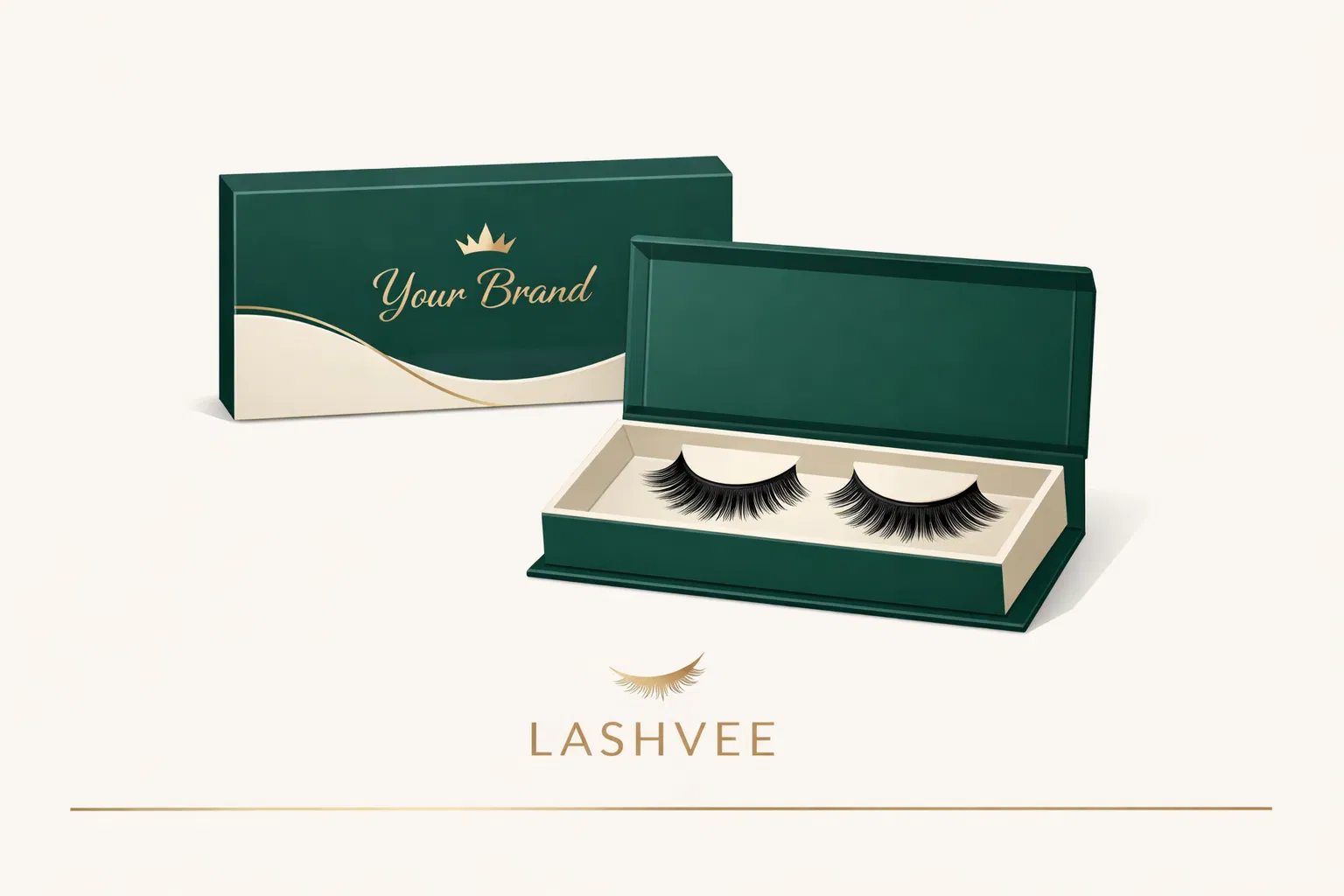
Private label lashes are made specifically for your brand. You align specs with a manufacturer—style, curl, length map, band feel, finishing, packaging structure, and the visual system—so the final product matches your positioning.
Why Choose Private Label
- ✓Full brand control: your own specs and presentation system
- ✓Higher margin potential: premium pricing is easier to justify
- ✓Clear differentiation: less “same product” competition
- ✓Iterative upgrades: improve your SKU based on customer feedback
White Label vs Private Label Lashes
| Aspect | White Label | Private Label |
|---|---|---|
| Branding | Shared base product across sellers | Exclusive to your brand plan |
| Customization | Mainly packaging / labeling | Specs + packaging + presentation system |
| Startup Cost | Lower (often $500–$2,000) | Higher (often $5,000–$25,000+) |
| Profit Margins | Moderate (commonly 30–50%) | Higher potential (commonly 50–70%+) |
| Time to Market | 2–4 weeks (typical) | 2–6 months (typical) |
| Product Uniqueness | Lower (easier to copy) | Higher (harder to replicate) |
| Risk Level | Lower | Medium to high |
Validate demand with a curated white label range, then invest in private label once you know what your customers repeat-buy. If you want a simple “first steps” checklist, start here: Start a lash brand guide.
Which Option Is Better
The right choice depends on your timeline, budget, and the kind of brand you want to build. Here is a clean way to decide without overthinking it.
Choose White Label If:
- •You want to test demand with a controlled budget
- •You want to launch fast and learn from real customers
- •Your strengths are marketing, content, and sales execution
- •You want low risk while building a brand voice
Choose Private Label If:
- •You want a more defensible product and premium positioning
- •You can invest in samples, iterations, and a tighter SKU plan
- •Long-term brand building matters more than speed
- •You want control over specs, presentation, and consistency
A simple “low regret” approach is: start white label to learn what sells, then upgrade only the winning styles into private label. That way your investment follows proof—not guesses.
How to Start a Lash Brand
If you want a clean sequence you can execute, use the steps below. When you’re ready to shortlist products, jump to Product Collections. When you’re ready to define specs and packaging, go to OEM / Private Label.
Choose your market and customer
Decide who you sell to (salon, DTC, local retail, or mixed). This choice affects pricing, packaging, and product selection.
Build a focused collection
Start small: a tight selection beats a huge catalogue. Your first range should be easy to explain, easy to ship, and easy to reorder.
Design your packaging system
Packaging is not decoration—it's communication. Use a consistent naming system, style labels, and a visual hierarchy customers understand.
Choose a manufacturing path
White label for speed and testing. Private label for differentiation and long-term margin. Either way, confirm sampling and lead time.
Prepare your launch assets
Product photos, simple claims, usage instructions, and a repeatable content workflow. If you want a beginner-friendly starting point: start here.
Work With a Lash Manufacturer
Manufacturer choice affects your consistency and repeat orders. A good partner helps you reduce returns, shorten lead times, and keep your SKUs stable across production runs—especially when you scale.
Quality standards & consistency
Ask how they control batch consistency, material sourcing, and defect screening. If you plan to scale, this matters more than the first sample.
MOQ and reorder flexibility
Confirm minimums for first order and reorders. White label tends to be easier at the beginning; private label usually needs larger commitment.
Lead time and shipping planning
Clarify production time, packaging time, and logistics windows. Build a buffer so you never go out of stock during promotions.
Packaging capability
Packaging quality is part of product quality. If packaging is your differentiator, use this guide to plan it properly: Lash packaging guide.
If you’re moving toward private label, start by aligning specs, packaging structure, and the collection plan on one page: OEM / ODM service.
Frequently Asked Questions
White label brands can start with a smaller budget (often $500–$2,000) including basic branding, initial inventory, and your launch assets. Private label usually requires a larger investment (often $5,000–$25,000+) because sampling, custom packaging, and production planning take more steps.
Choose white label if you want speed and learning. Choose private label if you want a more defensible SKU and stronger differentiation. Many founders validate with a curated collection first, then private-label the styles that prove repeat demand.
Start with a small range that your customer understands fast: a clear naming system, a few best-use cases, and simple reorder logic. Use Product Collections to shortlist styles before you expand.
The most important choices are structure (how it protects the product), label clarity (style + length info), and a repeatable visual system. If you want a step-by-step packaging roadmap, use the Lash packaging guide.
Start by understanding how customers choose styles and how you will explain them clearly. Then build a tight collection and packaging plan. A beginner-friendly starting point is: Start a lash brand.
Build Your Lash Brand With a Clear Plan
Start with a curated collection, then upgrade to private label when you know what customers reorder. Use the links below to move to the next step that fits your stage.