
Choosing lash extensions for a menu or a private label line becomes difficult when “type” is mixed with mapping and curl. That confusion causes wrong trays, inconsistent sets, and avoidable remakes.
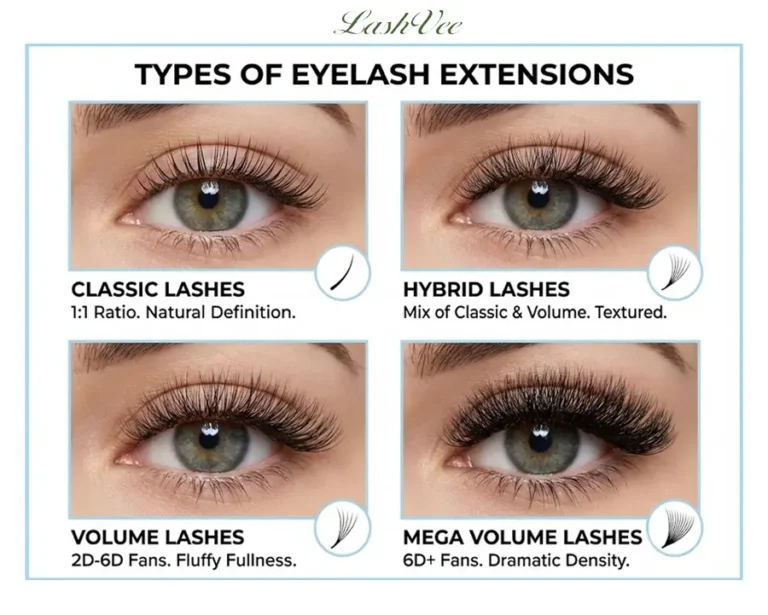
The main types of eyelash extensions are Classic (1:1), Volume (2D–6D/8D), Mega Volume (8D–16D), Hybrid (Classic + Volume mix), plus Specialty structures (Premade Fans, Flat/Ellipse, YY/W, Spikes/Wet Look) and Colour lashes. Each type differs by base structure, weight plan, and production control.
Classic Eyelash Extensions
Classic lashes are often treated as “basic,” so buyers under-specify them and then blame shedding or uneven styling. The risk is inconsistency in diameter, curl stability, and strip bonding.
Classic eyelash extensions are single fibers applied 1:1 to natural lashes. They create a clean lash line with controlled definition. Buyers mainly control the outcome through diameter, curl, length mix, and fiber stiffness, while factories control curl-setting stability and strip/adhesive quality.
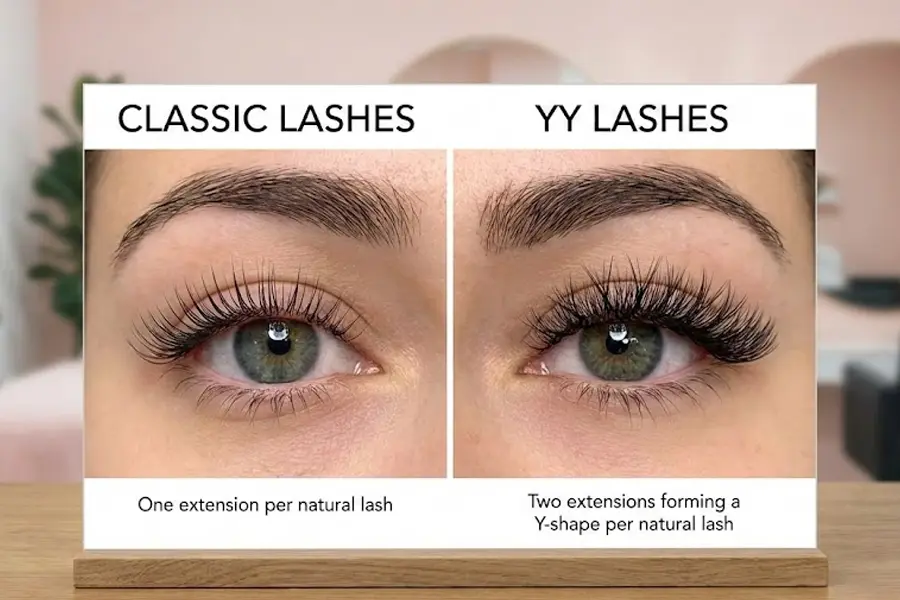
In production, classic lashes begin with synthetic fiber extrusion and sorting, then curl setting (heat-forming) and strip bonding. The strip must release lashes cleanly during pickup without leaving adhesive residue or deforming the base. If strip bonding is unstable, technicians compensate by pulling harder, which can bend the fiber and distort curl consistency across a tray.
From a buyer’s perspective, the biggest classic-lash problems are not “softness” claims. The real issues are measurable:
- Diameter tolerance: a nominal 0.15 mm that drifts thicker can increase stiffness and reduce comfort.
- Curl memory: curl should remain stable across storage and typical salon humidity.
- Direction uniformity: fibers must sit consistently without twisting, especially in shorter lengths.
Classic is also where many brands lose refill consistency. If one batch has slightly higher stiffness or more shine, sets look different even when mapping is identical. I recommend buyers request multi-length samples (e.g., 8–14 mm) because curl and direction drift often shows up at short lengths first.
For supplier evaluation, I look for process transparency: lot coding, curl-set records, and strip bonding checks. A manufacturer-led supplier should provide repeatable spec sheets and batch sampling results, because classic lashes are the baseline product that defines a brand’s “house look.”

Hybrid Eyelash Extensions
Hybrid is frequently described as “in between,” so buyers treat it as its own product type and forget it is a mix. The risk is mismatched curls, finishes, or stiffness between the classic and volume components.
Hybrid eyelash extensions are a set design built by mixing classic 1:1 lashes with volume fans. The hybrid result depends on the compatibility of the two components: curl match, finish match (matte/gloss), and stiffness balance, not the word “hybrid” itself.
Classic vs Volume vs Hybrid: What is the practical difference?
Many buyers assume classic, volume, and hybrid are interchangeable looks with different densities. That misunderstanding leads to mismatched diameter choices and poor wear results.
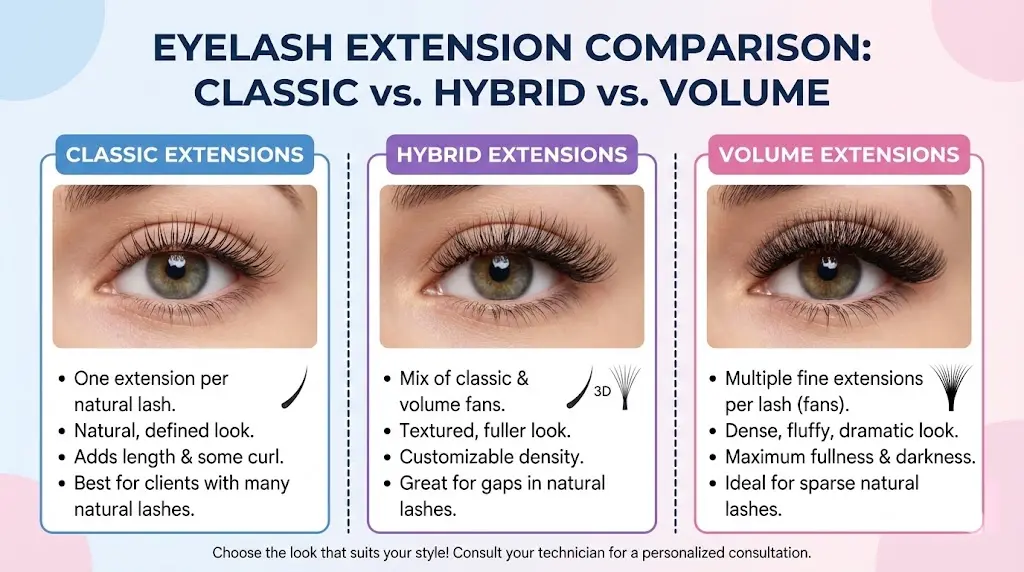
Classic is a 1:1 attachment (one extension to one natural lash). Volume uses a fan of multiple fine fibers bonded to one natural lash. Hybrid mixes both to balance texture and density. The difference is mainly weight management and base geometry, not only appearance.
What “type” means at the factory level
In a factory, classic, volume, and hybrid are defined by how many fibers sit on the base and how the base is formed. Classic lashes are single fibers aligned and bonded onto strips. The core controls are: fiber diameter tolerance, curl-set stability, and strip adhesion strength so technicians can peel lashes cleanly.
Volume introduces a second layer of control: fan formation. Even if the fiber material is the same (commonly PBT), the production flow changes because the lashes must open evenly, keep a narrow base, and maintain shape during packaging and shipping. If opening force is inconsistent, technicians compensate with more adhesive, which increases weight and risks premature shedding.
Hybrid is not a separate manufacturing category. It is an assortment strategy: trays include classic and volume (or the artist mixes trays). The risk is inconsistent refill outcomes if the two components differ in curl, fiber stiffness, or finish level.
Technical choices that affect performance and cost
- Diameter and weight: Classic commonly runs thicker than volume fibers. Volume relies on smaller diameters so that a fan’s total weight remains acceptable per natural lash. For buyers, “type” should trigger a weight plan, not only a style plan.
- Base width and contact area: Classic has a single contact line. Volume fans increase base width unless the base is properly pinched or heat-formed. Wider bases can reduce clean attachment on fine natural lashes.
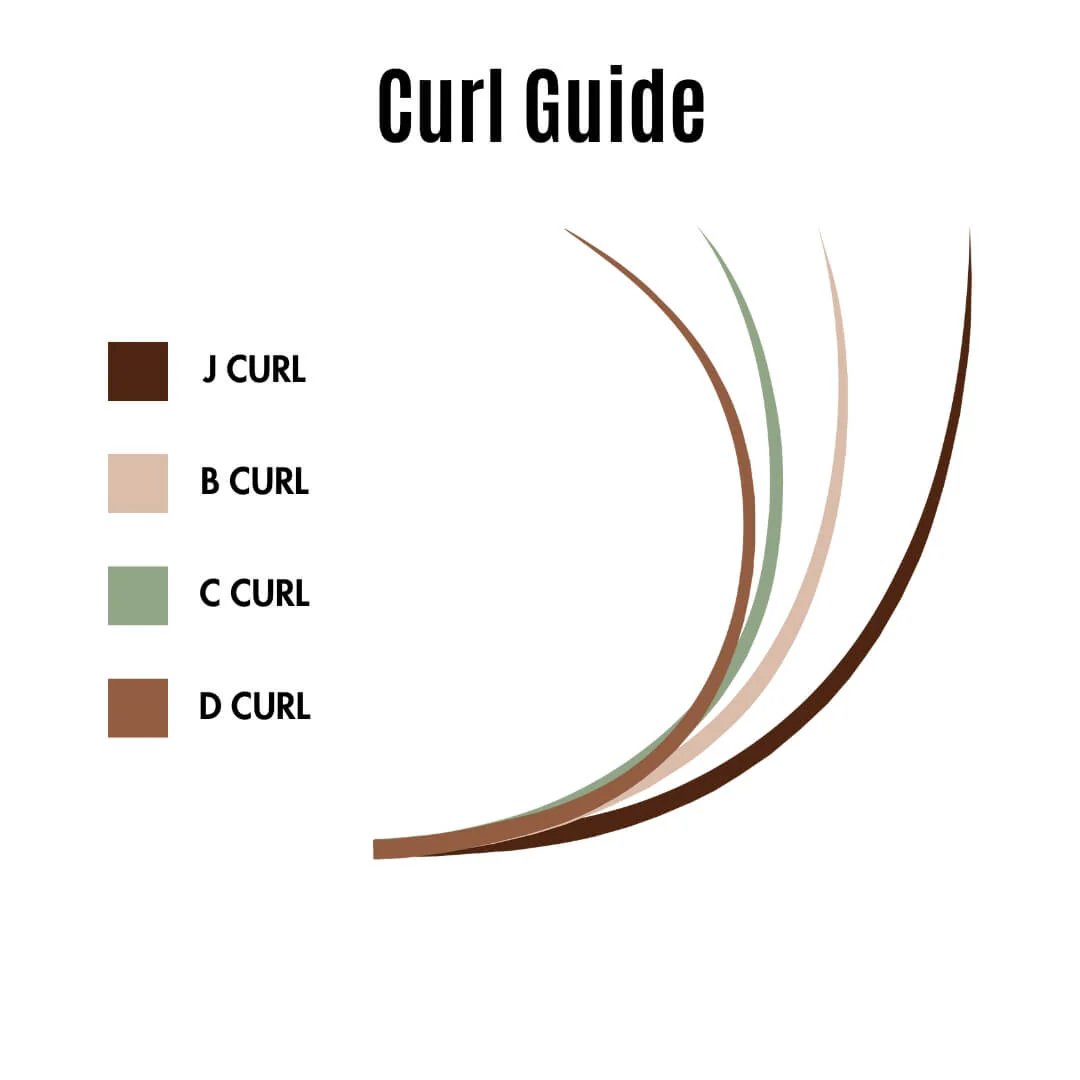
- Curl set and rebound: Curl is not only a label (C, CC, D). It reflects heat-setting parameters and fiber memory. Inconsistent curl set causes mixed results across trays, which becomes obvious during fills.
Common buyer misunderstandings
- Comparing only “look” photos instead of requesting measurable specs (diameter tolerance, curl stability, base width).
- Assuming hybrid equals “lighter”. Hybrid can be heavier if the volume component is not designed with correct diameters.
- Ignoring lash artist workflow. A “pretty” volume tray that opens unpredictably slows service and increases adhesive use.
Supplier evaluation: what to verify
When I evaluate a supplier (or when buyers evaluate us), I focus on repeatability:
- Documented diameter tolerance and curl retention checks per lot.
- Strip bonding consistency (peel cleanly, no residue).
- Fan symmetry and base width sampling across multiple trays from the same lot.
A manufacturer-led approach is more stable when the factory treats each type as a controlled process, not a styling label that changes with trends.
Volume Eyelash Extensions (2D–6D/8D)
Many buyers assume “volume” is only about adding more lashes. The risk is choosing fiber diameters or fan designs that overload natural lashes or create bulky bases.
Volume eyelash extensions use fans made from multiple fine fibers that are applied to one natural lash. The result is higher density with controlled softness when the fiber diameter and fan count are balanced to match lash capacity and desired darkness.
Premade Fan Lashes
Many buyers choose premade fans to improve speed, then face complaints about thick bases or poor wrap. The risk is assuming all premade fans behave the same.
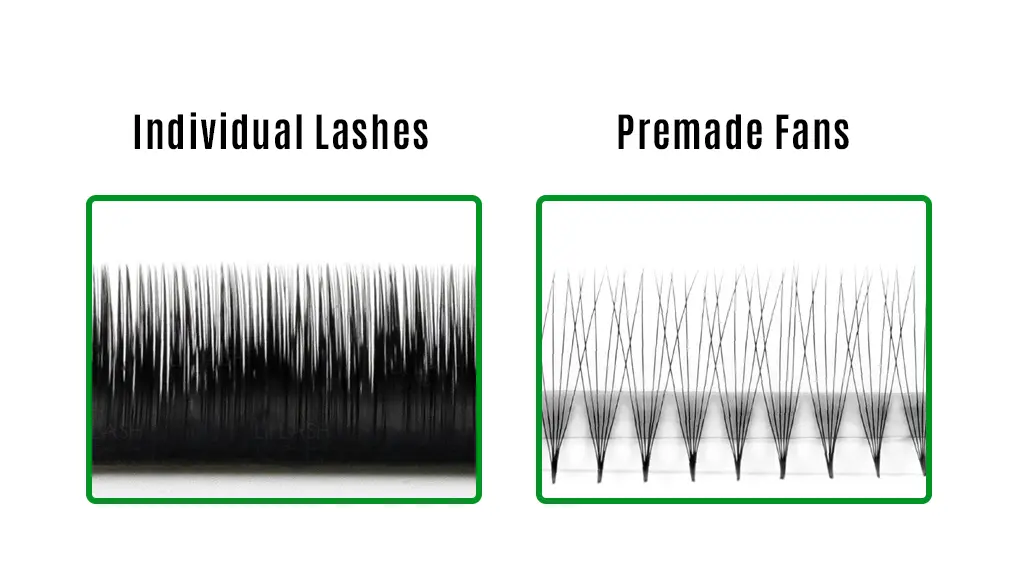
Premade fans are factory-formed volume fans bonded at the base before use. They improve application speed and standardize fan shape. Performance depends on base bonding method, base thickness, fan angle, and pickup stability.
Premade Fans vs Handmade Volume: Which is more consistent for brands?
Many brands expect premade fans to automatically solve consistency problems. In reality, premade fans can amplify inconsistency if base bonding and fan angle are not controlled.
Premade fans are pre-formed volume fans bonded at the base before use, while handmade volume is created by the lash artist during application. Premade fans improve speed and standardize shape, but consistency depends on base bonding method, fan angle, and fiber alignment in production.
How premade fans are produced
Premade fan production adds a bonding step that classic trays do not require. Factories typically use controlled bonding (often heat or minimal adhesive techniques depending on product design) to lock multiple fibers into a single base. This base must stay:
- narrow enough for clean placement,
- strong enough to resist breakup during pickup,
- thin enough to avoid a bulky bond line.
If the base is too thick, artists see poor wrap and reduced retention. If the base is too weak, fans collapse during pickup and the tray becomes slow to use, defeating the purpose.
Technical variables that affect retention and usability
- Base bonding strength vs flexibility: Strong bonding resists breakup but can create a rigid base that does not “hug” the natural lash well.
- Fan angle control: A tray can look consistent at the top view but vary in side profile. Side profile affects how the fan sits and how “dark” the lash line appears.
- Row density and pick-up behavior: Tray layout matters. Over-compressed rows can deform bases over time during shipping.
Where buyers misjudge premade fans
- Only checking fan symmetry on the first row. Compression and handling issues often show in middle or bottom rows.
- Not defining “acceptable base” metrics. “Thin base” should be translated into measurable checks: base width range, base thickness feel, and bonding residue.
- Mixing premade fans with unmatched classics. Different curls and finishes cause hybrid sets to look uneven and refill poorly.
A simple comparison for buyers
| Topic | Premade Fans | Handmade Volume |
|---|---|---|
| Speed | High (if pick-up is stable) | Depends on artist skill |
| Consistency | Depends on factory bonding + QC | Depends on artist technique |
| Base control | Factory-controlled | Artist-controlled |
| Brand scalability | Strong if specs are locked | Harder to standardize across teams |
Supplier evaluation: what truly reduces risk
To reduce long-term risk, I look for evidence of process control:
- Lot-based sampling of base quality across multiple trays.
- Clear bonding method definition (and limits on residue and brittleness).
- Packaging validation for shipping pressure and temperature changes.
A manufacturer-led OEM/ODM partner should be able to explain why a premade base behaves the way it does, and how they keep that behavior stable across production runs.
Mega Volume Eyelash Extensions (8D–16D)
Mega volume is often marketed as “dramatic but safe,” which leads buyers to skip weight planning and base inspection. The risk is overload or thick bases that compromise wrap and comfort.
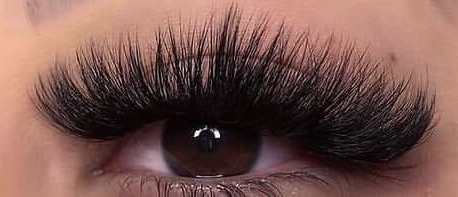
Mega volume eyelash extensions are high-fiber-count fans built from ultra-fine diameters to create a dense lash line while managing total weight. Mega volume requires tighter control of base thickness, fan symmetry, and length selection because small errors become visible and can affect retention.
Flat / Ellipse (Flat Lash) Extensions
Many articles frame flat lashes as “just darker,” which causes buyers to pick the wrong diameter or stiffness. The risk is twist and direction inconsistency if profile control is weak.
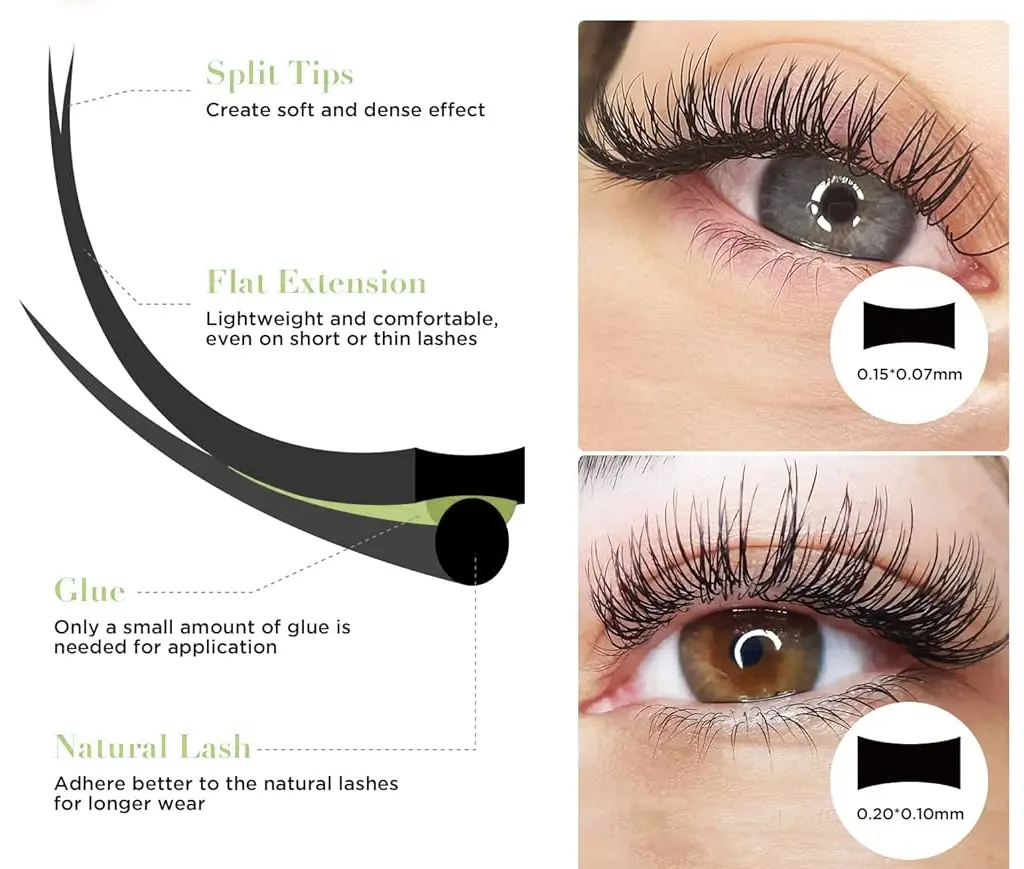
Flat (ellipse) lashes use a flattened cross-section rather than a round fiber. This can change perceived darkness and stiffness at the same diameter label. Practical performance depends on profile stability, twist control, and curl setting, not the name alone.
Flat fiber requires a different extrusion profile and tighter controls during strip bonding. Orientation matters. If fibers twist, technicians lose direction control and results vary across eyes. This issue is common in shorter lengths if handling and bonding tension are inconsistent.
Buyer checks should include:
- direction uniformity at 8–10 mm lengths,
- curl stability after storage,
- consistent pickup without rotation.
Supplier evaluation should focus on whether the manufacturer can provide cross-section consistency and orientation control. A manufacturer-led supplier will treat fiber geometry as an input with measurable tolerances, not as a branding term.
Flat (Ellipse) Lashes vs Round Lashes: When does fiber shape matter?
Many buyers think flat lashes are only a marketing term. The real issue is whether fiber geometry changes stiffness, bonding behavior, and the perceived “darkness” at the lash line.
Flat (ellipse) lashes use a flattened cross-section rather than a round profile. They can look darker at the same diameter label and may sit differently on the natural lash. The advantage depends on cross-section design, stiffness, and surface finish, not the name alone.
What changes in production
Fiber geometry starts before curl setting. A flat/ellipse fiber is produced with a different extrusion profile than a round fiber. That affects:
- how the fiber bends (stiffness curve),
- how it contacts the natural lash (contact patch),
- how it reflects light (perceived depth/blackness).
After extrusion, the curl-setting process still matters. If curl is set aggressively on a stiffer profile, the fiber can “spring” more, which can change direction control during application.

Performance, comfort, and cost trade-offs
- Perceived density: Flat fibers can appear darker because of light reflection and surface area. That can let a brand achieve a fuller look without increasing length or fan count.
- Attachment behavior: A flat profile may provide a broader contact zone, but only if the base alignment is correct. If the lash twists, the contact advantage disappears.
- Consistency requirements: Flat fibers require tighter controls on twist and orientation during strip bonding. If orientation varies, artists see inconsistent pickup and placement.
Cost differences are usually driven by raw fiber control and yield. If a factory cannot control profile stability, they compensate with stricter sorting, which increases cost.
Common evaluation mistakes
- Comparing only label thickness (e.g., “0.15 flat vs 0.15 round”) without comparing stiffness and weight.
- Ignoring twist rate. Twisting shows up as inconsistent direction and unpredictable spikes in finished sets.
- Not checking lash line uniformity across lengths. Some lots show profile drift at shorter lengths due to handling and strip bonding.
Supplier evaluation: what to request
I recommend buyers request:
- Cross-section consistency evidence (internal QC photos or measurable sampling routines).
- Curl and direction stability checks after simulated shipping conditions.
- Orientation control on strips (especially for short lengths).
Stable results come from factories that treat fiber profile as a controlled input and validate how it behaves through bonding, packaging, and transport.
Specialty Lashes (YY, W, Spikes, Wispy): Are they different products or just styling?
Many buyers label YY/W/spikes as “effects,” then expect them to behave like standard volume. That creates complaints about pickup, stickiness, or inconsistent texture.
Specialty lashes use pre-structured fiber groupings (e.g., YY or W shapes, spikes, narrow “wet-look” bundles). They are different products because the base architecture and grouping method change pickup behavior, lash line density, and retention risk if base thickness is not controlled.
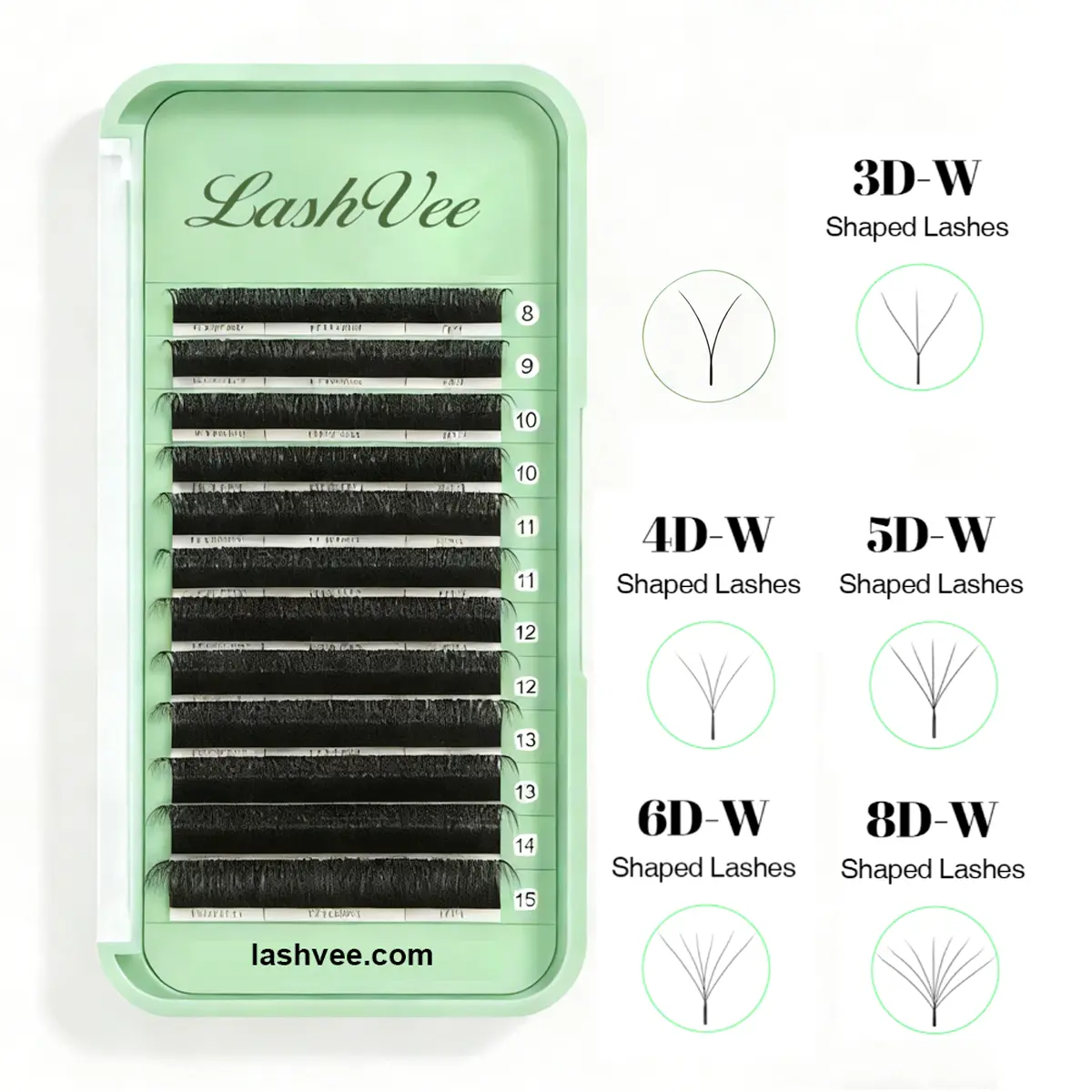
How specialty structures are made
YY and W lashes typically start as grouped fibers with a defined split, which creates a textured finish without fully handmade fanning. Spikes and wet-look bundles often rely on tight grouping and a narrow silhouette.
This requires factories to control:
- group symmetry (left-right balance),
- split point position (where the fibers separate),
- base length and stiffness (too long becomes bulky; too short reduces control).
If the base is over-bonded, the product becomes stiff and increases the risk of poor wrap. If the split is inconsistent, sets look uneven and refills become difficult to match.
Technical choices that change results
- Grouping density: More fibers per grouping increases darkness but raises weight and base thickness.
- Base geometry: Many specialty lashes have longer bases to simplify pickup. That can be helpful for speed, but it requires careful control so the base does not create a “platform” that lifts away from the natural lash.
- Surface finish: Matte vs semi-gloss changes how spikes read on camera and under salon lighting. Finish also affects friction and pickup.
What buyers often misunderstand
- Assuming “easy pickup” equals “good retention.” A product can be easy to pick up but still create a thick base that reduces clean bonding.
- Treating specialty trays as universal. These products often need a clear mapping to application methods, because texture is built into the lash itself.
- Not specifying the texture target. “Wispy” can mean many things. Buyers should define spike spacing, spike length contrast, and whether the tray is meant for wet-look or airy texture.
Supplier evaluation: what matters most
For specialty lashes, I evaluate:
- Structural consistency across trays (split point, base thickness, and direction).
- Batch traceability (so brands can match refills and reorder with confidence).
- Process transparency (how grouping is formed, what QC rejects look like, and how the factory prevents drift).
A stable OEM/ODM supplier should treat specialty lashes as engineered structures with defined tolerances, not as a trend label.
Conclusion
Types of eyelash extensions are manufacturing definitions, not only styling categories. Classic, volume, and hybrid differ mainly in weight planning and base architecture. Premade fans and specialty structures add bonding and grouping controls that require stronger QC. Flat fibers change geometry and orientation risks. For brands, the safest sourcing path is to translate “type” into measurable specs and verify process control across lots.
References
American Academy of Ophthalmology. (2024, August 20). How to use cosmetics safely around your eyes. https://www.aao.org/eye-health/tips-prevention/eye-makeup
European Parliament & Council of the European Union. (2009). Regulation (EC) No 1223/2009 on cosmetic products. https://health.ec.europa.eu/system/files/2016-11/cosmetic_1223_2009_regulation_en_0.pdf
International Organization for Standardization. (2007). ISO 22716:2007 Cosmetics — Good Manufacturing Practices (GMP) — Guidelines on Good Manufacturing Practices. https://www.iso.org/standard/36437.html
U.S. Food and Drug Administration. (2022, June 28). Eye cosmetic safety. https://www.fda.gov/cosmetics/cosmetic-products/eye-cosmetic-safety
U.S. Food and Drug Administration. (2013, Draft guidance). Guidance for industry: Cosmetic good manufacturing practices (GMP) guidance. https://www.fda.gov/media/86366/download