
Understanding How DIY Lashes Interact With Natural Lashes
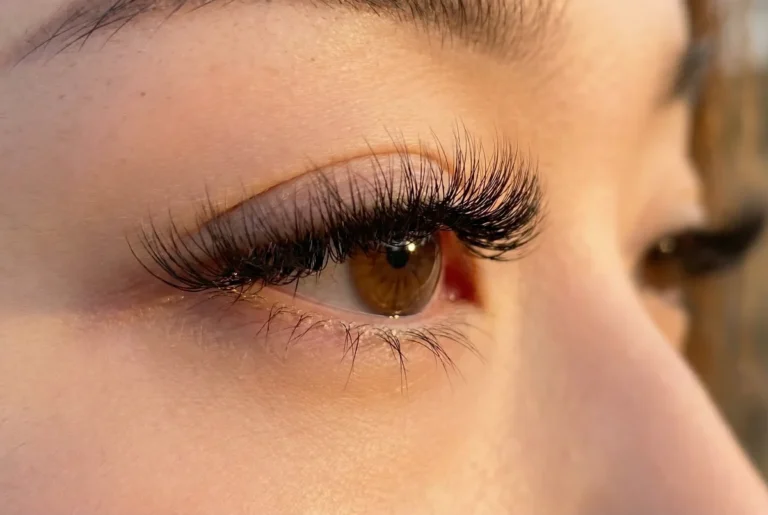
Are DIY lashes safe for natural lashes? This question has become increasingly common as DIY lashes grow into one of the fastest-rising beauty trends worldwide.These lashes are typically applied as small clusters underneath the natural lashes, allowing users to create salon-style volume and length at home. While DIY lashes offer convenience and customization, many people wonder whether they are truly safe for their natural lashes.
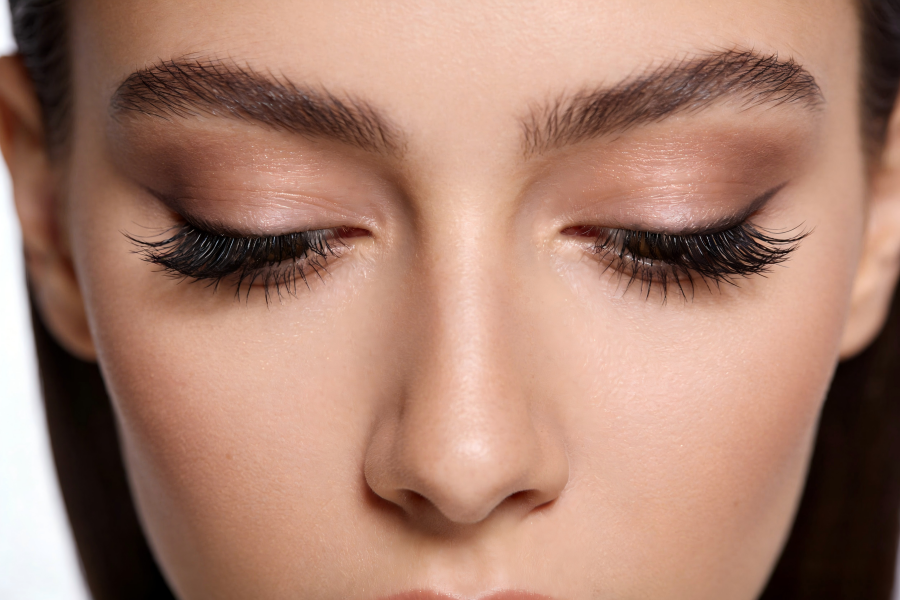
To understand the safety of DIY lashes, it is important to first understand the structure of natural eyelashes. Natural lashes grow in cycles consisting of three stages:
- Anagen (growth phase)
- Catagen (transition phase)
- Telogen (resting and shedding phase)
Each natural lash follows its own growth cycle, which means that lashes naturally fall out and regrow over time. When cosmetic products such as DIY lash clusters are applied incorrectly, they may interfere with this natural cycle and potentially weaken the lash follicle.
More reading about Eyelash Growth Cycle
However, when applied properly with lightweight materials and removed gently, DIY lashes are generally considered safe for natural lashes.
What Eye Health Experts Say About DIY Lashes
Eye health specialists have studied the safety of false eyelashes and lash extensions for years. According to guidance from the American Academy of Ophthalmology, cosmetic lash enhancements can be safe when proper precautions are taken, but improper application or poor hygiene may lead to irritation or infection.
More reading about Eyelash Extension Facts and Safety from Eye health specialists
Experts warn that the eye area is extremely delicate. Products used around the eyelid can introduce:
- bacteria
- allergens
- irritants
These substances may lead to complications such as swelling, itching, redness, or infection if safety precautions are not followed.
Another key concern is adhesive ingredients. Lash glues used for both extensions and DIY lash clusters may contain cyanoacrylate or formaldehyde-releasing chemicals, which can trigger allergic reactions or irritation in sensitive individuals.
More reading about are-eyelash-extensions-safe
Safe Soaps for Eyelash Extensions is impotant.
Because adhesives are not strictly regulated by the U.S. Food and Drug Administration in the same way as medical products, consumers should be careful when choosing lash products and always follow application instructions.
Potential Risks DIY Lashes May Pose to Natural Lashes
Although DIY lashes are widely used and generally safe when applied correctly, there are several potential risks that users should be aware of.
1. Lash Breakage
One of the most common issues associated with lash enhancements is premature lash shedding. When lash clusters are too heavy or applied to multiple natural lashes at once, they can pull on the hair follicle as natural lashes grow.
Over time, this traction may weaken the natural lash and lead to temporary lash thinning.
2. Allergic Reactions to Adhesives
Some lash adhesives contain chemicals that may cause:
- redness
- swelling
- itching
- eyelid irritation
Ophthalmology sources note that allergic reactions such as contact dermatitis and blepharoconjunctivitis have been reported with cosmetic lash adhesives.
This is why dermatologists often recommend performing a patch test before applying lash glue near the eye.
3. Eye Infections
The eyelid margin naturally contains bacteria. When DIY lashes are applied without proper hygiene, tools and products may introduce additional bacteria into the eye area.
Improper hygiene can increase the risk of:
- conjunctivitis
- eyelid inflammation
- bacterial infection
Experts emphasize that maintaining clean tools and removing lashes properly are essential to reducing these risks.
4. Irritation From Improper Removal
Removing DIY lashes incorrectly is another common cause of natural lash damage.
Pulling lash clusters off without dissolving the adhesive can cause:
- pain
- irritation
- accidental removal of natural lashes
Eye care professionals recommend removing lash adhesives with oil-based cleansers or dedicated lash removers rather than pulling them off manually.
Scientific Research on False Lashes and Eye Health
Scientific literature has also explored the broader effects of false eyelashes on eye health.
A study published in a medical journal discussing cosmetic lash trends noted that false eyelashes may occasionally interfere with vision tests by partially blocking the visual field, a condition known as pseudoptosis.
While this does not mean lashes cause eye disease, it highlights how dramatic or oversized lashes may affect normal eye function in certain situations.
Additionally, eye care professionals have reported that long lashes can sometimes funnel dust and debris toward the eye surface, potentially increasing irritation if proper eye hygiene is not maintained.
These findings reinforce an important point: lash safety depends largely on application technique and hygiene practices rather than the lashes themselves.
DIY Lashes vs Salon Lash Extensions: Which Is Safer?
When comparing DIY lashes with professional lash extensions, safety often depends on how the lashes are applied and maintained.
Professional lash extensions are applied by trained technicians who isolate individual natural lashes before attaching extensions. This process reduces the risk of multiple lashes being glued together.
However, professional extensions also use stronger adhesives and can remain on the lashes for several weeks.
DIY lashes, on the other hand:
- usually use lighter clusters
- have shorter wear times
- can be removed easily at home
Many manufacturers recommend wearing DIY lashes for no more than about 10 days to maintain lash health and hygiene.
Because they are temporary, DIY lashes may actually reduce long-term stress on natural lashes when used correctly.
How to Use DIY Lashes Without Damaging Natural Lashes
Consumers can significantly reduce the risk of lash damage by following safe lash practices.
Choose Lightweight Lash Clusters
Lightweight fibers place less stress on natural lashes. Modern lash clusters are often made with ultra-thin bands and soft synthetic fibers designed to mimic the natural lash structure.
Avoid Applying Clusters to Multiple Lashes
Each cluster should sit along the lash line without bonding several natural lashes together.
This allows natural lashes to move freely during the growth cycle.
Maintain Proper Hygiene
Clean tools and lash trays before each application. Avoid sharing lash products with others to prevent contamination.
Remove Lashes Gently
Always dissolve the adhesive with remover or oil-based cleanser before removing the clusters.
Give Your Lashes Breaks
Wearing lash enhancements continuously can place stress on natural lashes. Taking short breaks allows the lashes to recover and maintain their natural strength.
The Role of Quality Lash Products
Another factor that influences lash safety is product quality.
Cheap lash clusters may use heavy synthetic materials or thick lash bands, which can place unnecessary weight on natural lashes.
Higher-quality lash manufacturers focus on:
- lightweight fibers
- thin lash bands
- flexible adhesives
These design improvements help reduce stress on the lash follicle and create a more comfortable wearing experience.
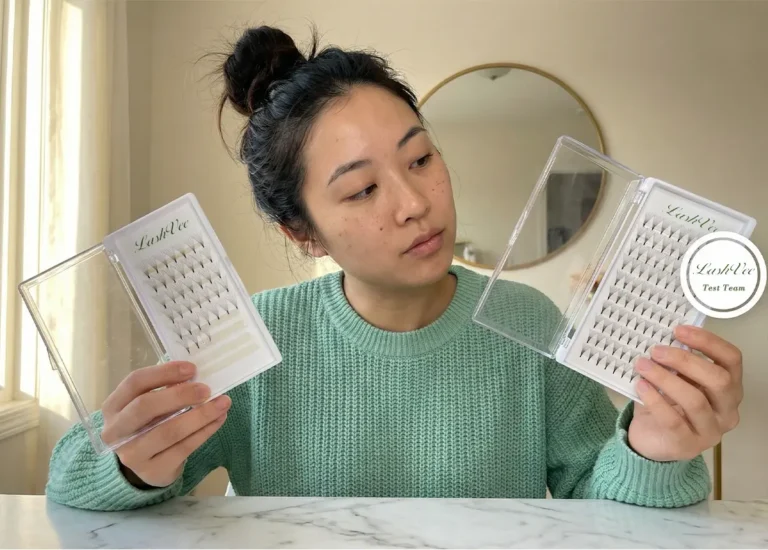
Many suppliers now develop DIY lash clusters specifically designed for safe, short-term wear. Companies such as LashVee focus on lightweight lash cluster collections for beauty brands, retailers, and private label customers seeking reliable DIY lash products.
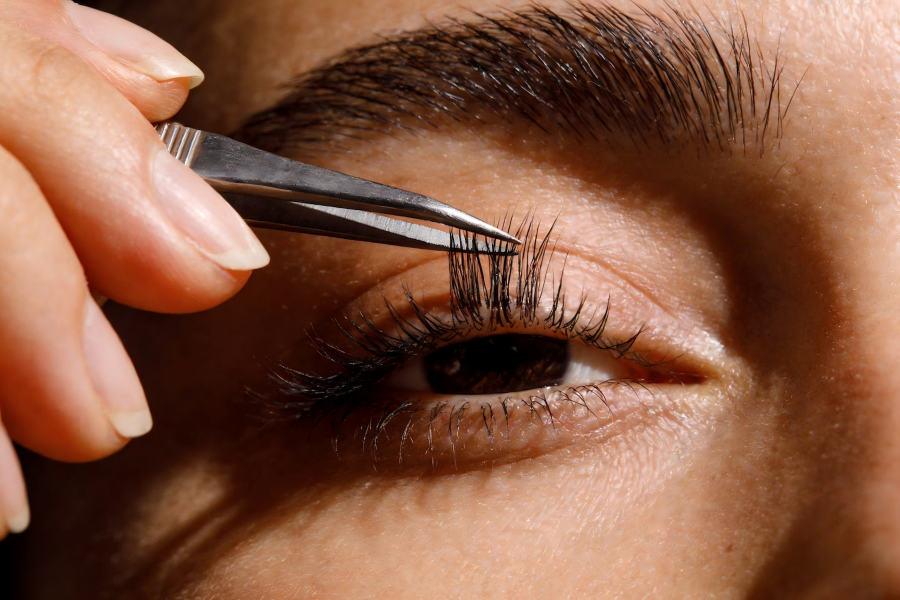
Are DIY Lashes Safe Overall?
For most users, DIY lashes are safe when applied and removed correctly.
The key factors that determine safety include:
- proper application technique
- high-quality lash materials
- gentle removal methods
- good hygiene practices
Problems are more likely to occur when lashes are applied incorrectly, worn for too long, or removed aggressively.
How to Apply False Eyelashes: Step-by-Step That Stays Put will help you.
As the popularity of DIY lashes continues to grow, both manufacturers and beauty professionals are developing improved products and educational resources to help consumers apply lashes safely.
Final Thoughts on DIY Lashes and Natural Lash Health
DIY lashes have become a major innovation in the beauty industry because they allow users to achieve dramatic lash styles without salon appointments. When used responsibly, they can be a safe and convenient option for enhancing natural lashes.
Understanding the potential risks and following recommended safety practices can help ensure that DIY lashes remain a safe addition to your beauty routine rather than a threat to your natural lash health.
As with any cosmetic product used near the eyes, education and proper technique are the most important factors in maintaining healthy lashes.