
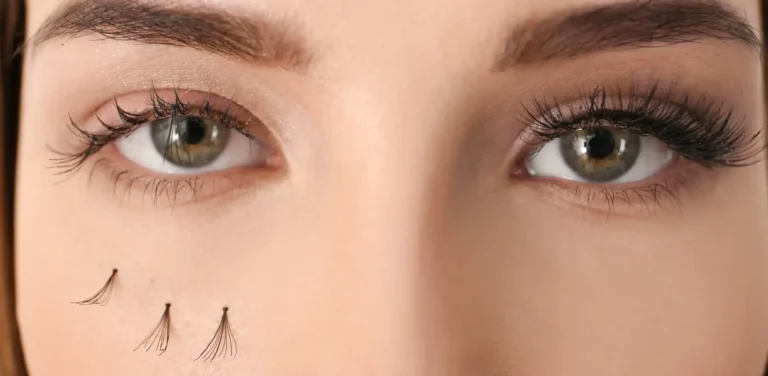
Losing lashes is normal. Natural lashes shed as part of a growth cycle—and if you’re wearing extensions, the extension sheds with the natural lash it’s attached to. The real question isn’t “Why is anything falling out?” It’s “Is the amount and pattern normal for my stage of wear, and are the lashes coming off in a healthy way?”
Quick answer
Most people naturally shed 1–5 lashes per eye per day. With extensions, that usually looks like 1–5 extensions (classic) or 1–5 fans (volume) per eye per day, because they shed with the natural lash.
If you’re seeing frequent fallout without a natural lash attached, or you notice gaps, irritation, or sudden shedding spikes, that’s more likely a retention or health issue—not normal shedding.
In this guide you’ll learn
- What “normal” daily loss looks like (classic vs volume)
- How to tell healthy shedding vs retention failure in under 10 seconds
- What actually affects retention (aftercare, environment, application, product quality)
- A retention-first checklist (for clients and lash artists)
If you want to compare lash types while you read (classic vs volume vs premade), you can browse our lash products here.
Understanding the lash growth cycle (why shedding is normal)
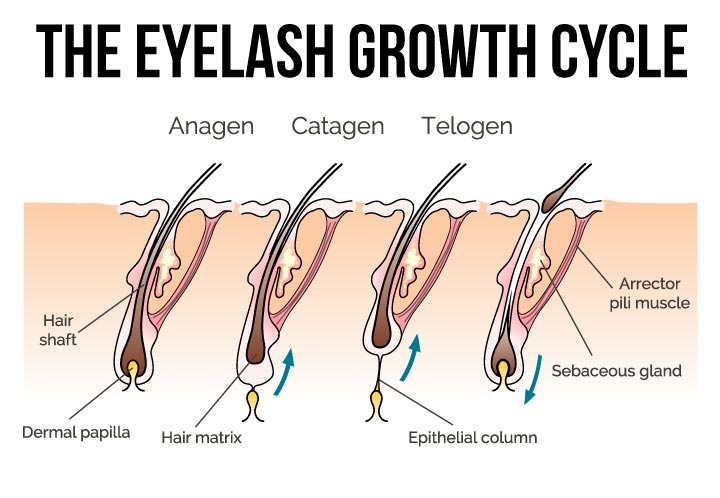
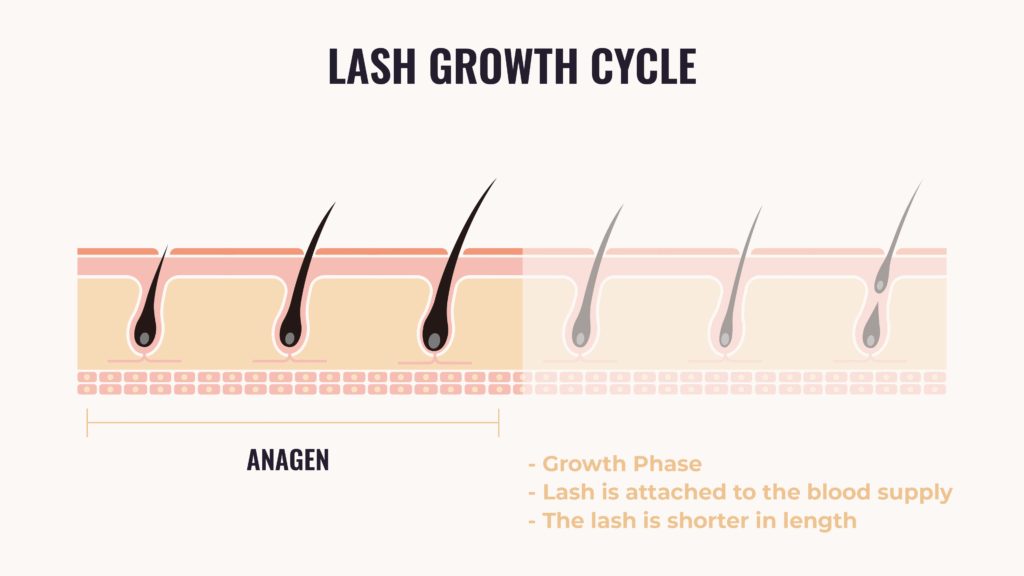
Eyelashes follow a growth cycle (growth → transition → rest → shed). Unlike scalp hair, lashes have a shorter growth phase and a relatively long resting phase, which is one reason fills are needed even when everything is “normal.”
A clinical review of eyebrow/eyelash anatomy and life cycle reports:
- Total lash life cycle: ~4–11 months
- Growth (anagen) phase: ~4–10 weeks
- Transition (catagen): ~15 days
- Resting (telogen): ~4–9 months
Two practical takeaways for extensions:
- Lashes are staggered across the lash line, so normal shedding shouldn’t create sudden bald gaps by itself.
- When a natural lash sheds, the extension attached to it sheds too—that’s the “healthy” kind of fallout.
How many lashes do you have?
Humans typically have about 90–160 eyelashes on the upper lid (in 5–6 rows) and about 75–80 on the lower lid (in 3–4 rows).
How many eyelashes fall out per day?
A typical, healthy range is 1–5 natural lashes per eye per day. Daily shedding adds up over time, which is why fills are usually needed.
How many lash extensions do you lose per day?
The American Academy of Ophthalmology notes that it’s normal to lose between 1 and 5 eyelashes each day as part of the natural lash cycle.
Because extensions shed with the natural lash, “normal” extension loss often looks like:
- Classic sets: ~1–5 extensions per eye per day
- Volume sets: ~1–5 fans per eye per day (fans look bigger, so loss can feel more dramatic)
Why it can look like more with volume: a single fan is wider than a classic extension, so it’s more noticeable even though it’s still one shed natural lash.
What you’ll typically see
| Set type | What sheds in normal biology | What you see fall |
|---|---|---|
| Classic (1:1) | 1 natural lash | 1 extension with a natural lash attached |
| Volume (fan) | 1 natural lash | 1 fan with a natural lash attached |
| Mega volume | 1 natural lash | 1 larger-looking fan with a natural lash attached |
Note: shedding often looks heavier in weeks 2–3 because it’s cumulative and your set has grown out.
Healthy shedding vs retention issue (10-second check)
Ask one question: Did the extension fall out with a natural lash attached?
| What you see | What it usually means |
|---|---|
| Extension/fan + a natural lash attached | Normal shedding |
| Extension/fan only | Retention issue (bond slippage) |
| Natural lash looks snapped/broken | Too much friction, styling too heavy, or direction issues |
| Multiple lashes stuck together | Isolation issue (needs correction) |
Pro tip: If fallout is mostly “extension only,” that’s usually not biology—it’s retention.
Why shedding looks worse in week 2–3
The farther you are from day one, the more cumulative shedding you’ll notice:
- Week 1: shedding feels minimal
- Week 2: gaps become noticeable (often outer corners)
- Week 3: many people feel “I suddenly lost a lot”—often it’s accumulated biology
This is why fills are typically scheduled every 2–3 weeks.
If you’re losing a lot in the first 24–48 hours
If multiple extensions are falling very early, especially without a natural lash attached, it’s usually not “shedding.” Common causes include:
- Oil/primer imbalance (lashes not fully clean/dry at bonding)
- Adhesive mismatch to humidity/temperature
- Poor attachment (insufficient wrap/contact)
- Steam, heavy skincare oils, rubbing, or high friction sleep
Simple check: look closely at what fell.
- Natural lash attached: often normal shedding (or a weak lash)
- No natural lash: more likely retention failure
Lash line exposure
Upper lashes take more daily stress (cleansing, makeup, rubbing, pillow friction). Lower lashes are usually less manipulated.
Health, hormones, and inflammation
Blepharitis, skin conditions, systemic shifts, and medication changes can increase shedding or make retention harder.
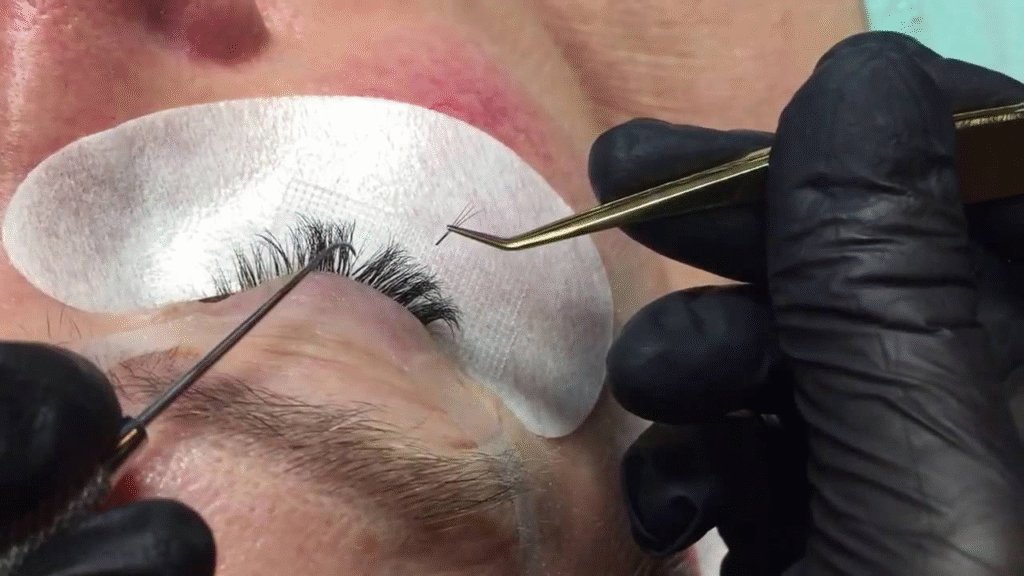
The biggest retention killers (client, tech, environment, product)
Client-driven causes (most common)
- Oil and skincare migration onto the lash line
- Rubbing/itching (especially during allergy seasons)
- Sleeping with high friction (side/stomach pressure)
- Skipping cleansing (buildup weakens bonds and increases irritation risk)
Technician-driven causes
- Poor isolation (stickies) → lashes pull each other out prematurely
- Overweight styling → breakage or traction
- Bad placement (too close to skin, insufficient wrap, wrong direction)
- Adhesive not suited to room humidity/temperature
Environment-driven causes
Cyanoacrylate adhesives cure in the presence of moisture. Extreme humidity swings, heavy steam exposure, or very dry conditions can change how reliably the bond cures.
Product-driven causes
- Inconsistent fiber diameter (weight swings inside the same tray)
- Poor curl stability (curl relaxes, adds leverage, increases fallout)
- Adhesive variability (age, contamination, batch consistency)
When to pause extensions and get help
Stop and seek professional advice if you have burning, swelling, persistent redness, crusting, or pain. Those symptoms aren’t normal shedding—they can signal irritation, allergy, or eyelid inflammation.
How to make lashes last longer (a client protocol that works)
Daily routine (simple and retention-friendly)
- Cleanse lashes daily with an extension-safe cleanser.
- Rinse and dry fully.
- Brush gently with a clean spoolie.
- Keep oils and heavy creams off the lash line.
- Reduce friction (rubbing, face-down sleeping, rough towels).
Handling rules (what actually improves retention)
- Match adhesive and technique to room humidity/temperature.
- Maintain clean isolation (no stickies).
- Keep styling within safe weight/length limits for the natural lash.
- Ensure proper attachment/wrap and full cure conditions.
Lash artist retention checklist (application + environment)
When we audit retention complaints, we run this order:
Step 1: Pre-treatment and cleanliness
- Remove protein/oil residue thoroughly
- Make sure lashes are fully dry before bonding
Step 2: Isolation and placement
- Zero stickies at the end
- Consistent wrap and direction
- Correct distance from skin (no lid bonding)
Step 3: Weight control (a common silent cause of damage)
- Use specs that match natural lash strength:
- finer diameters for weaker lashes
- avoid excessive length that increases leverage
- scale volume density based on lash health, not just the look goal
Step 4: Control your room conditions
- Choose adhesive speed/viscosity that matches the environment.
- Track temperature and humidity.
Summary (the answer you came for)
Normal: Losing ~1–5 natural lashes per day per eye is expected. If you wear extensions, that often appears as ~1–5 extensions/fans per eye per day as part of normal shedding.
Not normal: Clumps, bald patches, pain, swelling, burning, or sudden major changes—pause and refer out.
Best fix: Clean daily, reduce friction, and match adhesive + application technique to the client and environment.o a private label “education insert” for your lash kits (brand-voice matched) or help you build a retention-first lash/adhesive spec for OEM/ODM production. Request a quote or start a spec discussion here
Sources: This article cites peer-reviewed medical literature and guidance from the American Academy of Ophthalmology. It’s educational and not medical advice.
FAQ: Lash extensions falling out (quick answers)
Is it normal to lose lash extensions every day?
Yes—if the extension/fan falls out with a natural lash attached, that’s usually normal shedding. Most people naturally shed 1–5 lashes per eye per day, so extensions often shed at a similar visible rate.
How many lash extensions is “too many” to lose in a day?
If you’re consistently losing way more than a few per eye per day, or you notice gaps/bald-looking patches, that’s more likely a retention issue or a lash health issue (not normal biology).
Why are my lash extensions falling out with no natural lash attached?
That typically points to bond slippage/retention failure, not normal shedding. Common triggers: oils on the lash line, humidity mismatch during curing, poor attachment/wrap, rubbing, steam exposure, or cleansing revealing already-weak bonds.
Why do lash extensions fall out more in week 2 or week 3?
Because shedding is cumulative. Early on, you only notice a few. By week 2–3, the natural lashes that were “due” to shed plus daily life friction makes the set look thinner. This is why many fills are scheduled every 2–3 weeks.
Is it normal to lose more volume fans than classic lashes?
It can look like more, but a volume fan is still usually attached to one natural lash. A single fan is wider, so the loss feels more dramatic even when it’s normal shedding.
Why do my outer corners fall out first?
Outer corners get hit hardest by sleep friction, face-washing, makeup removal, and side/stomach sleeping pressure. They also tend to have finer natural lashes, so heavy styling or direction issues show up there earlier.
Why are my extensions falling out right after my appointment (first 24–48 hours)?
Early heavy fallout—especially without a natural lash attached—usually isn’t shedding. It’s often: lashes not fully clean/dry at bonding, adhesive not matching room humidity/temperature, weak wrap/contact, or immediate exposure to steam/oils/rubbing.
Do lash extensions fall out more after cleansing?
Cleansing doesn’t “cause” fallout—often it reveals already-compromised bonds (oil buildup, incomplete cure, poor placement). If your fallout is mostly “extension only,” focus on retention factors, not blaming the cleanser.
How can I tell normal shedding vs a retention problem in 10 seconds?
Look at what fell:
- Extension + natural lash attached → usually normal shedding
- Extension only → likely retention failure
- Multiple lashes stuck together → isolation issue (needs correction)
- Natural lash looks snapped → friction or styling too heavy
When should I stop extensions and see a professional?
Pause and get help if you have burning, swelling, persistent redness, crusting, pain, or sudden major shedding changes. That’s not normal shedding and may signal irritation, allergy, or eyelid inflammation.