
We understand the passion lash professionals like you have for creating stunning looks that make your clients feel confident and beautiful.
As a partner in building your eyelash brand from custom R&D to global scale, we know that educating clients on proper aftercare isn’t just about maintenance—it’s about fostering loyalty and ensuring long-term satisfaction.
If you’re guiding your clients on how to care for their extensions or seeking ways to enhance your service offerings, questions about safe cleansing often arise.
Let’s dive into why cleaning is essential and explore gentle, effective options that support lash health without compromising quality.
Key Summary: Quick Guide to Lash Extension Cleansing
- Opt for specialized lash cleansers: Choose oil-free, sulfate-free formulas designed for sensitive eyes to maintain extension bonds and prevent irritation.
- Frequency matters: Recommend daily cleansing, ideally twice a day, to boost retention, remove buildup, and promote overall eye health.
- Avoid common pitfalls: Steer clear of baby shampoo, regular facial soaps, or oil-based products that can weaken adhesives or alter lash shapes.
- Pro tip for lash artists: Integrating high-quality cleansing routines into your client education can elevate your brand’s reputation for expertise and care.
For those eager to deepen their knowledge, read on for a comprehensive exploration.
Why Cleaning Eyelash Extensions Is Crucial for Longevity and Health
As lash experts dedicated to helping you scale your brand, we empathize with the challenges of client education. Many clients wonder why they suddenly need a dedicated lash-washing routine after getting extensions. It’s a fair question—natural lashes don’t typically require special cleaning, but extensions change the game. Proper hygiene not only preserves the aesthetic appeal but also safeguards against potential issues, ensuring your clients return for refills with glowing reviews.
The Science Behind Lash Hygiene and Extension Retention
Think about the daily buildup around the eyes: tear films, dead skin cells, and natural oils create an environment where bacteria and microscopic organisms, like Demodex mites, can thrive. With extensions, there’s simply more surface area for debris to accumulate, increasing the risk of conditions such as blepharitis—a inflammation that causes itching, redness, and discomfort. This isn’t about allergies to the extensions themselves but rather preventable hygiene lapses.
By encouraging regular cleansing, you’re helping clients maintain a balanced eye biome. A clean lash line supports stronger natural lash growth, which in turn enhances extension longevity. Imagine your clients enjoying weeks of flawless wear instead of premature shedding—it’s a win for their satisfaction and your business repeat. Studies from eye health organizations highlight how consistent eyelid hygiene can reduce dry eye symptoms and prevent styes, leading to clearer vision and happier eyes overall.
Maintaining the Flawless Look and Curl of Your Extensions
We get it—your clients invest in extensions for that voluminous, lifted appearance that turns heads. Without proper cleaning, surface oils and makeup residues can weigh down fans, close spikes, or flatten curls, diminishing the wow factor you worked hard to achieve. Gentle washing removes these impurities, restoring fluffiness and ensuring the lashes stay perky and fresh.
For lash artists building their brand, this is an opportunity to differentiate: Offer aftercare kits or tutorials that emphasize preservation techniques, positioning your services as premium and thoughtful.
Preventing Eye Irritation, Infections, and Long-Term Damage
No one wants uncomfortable eyes disrupting their day. Skipping cleanses allows cellular debris to harden in oil glands, blocking healthy tear production—which includes natural immune defenses. This buildup fosters bacterial growth, potentially leading to redness, itching, or even lash loss.
Essential Features of a Safe Lash Cleanser
Selecting the right cleanser can feel overwhelming, especially with so many “gentle” products on the market. As experts in custom eyelash solutions, we guide you toward options that align with professional standards, ensuring they won’t harm extensions or eyes.
Prioritizing Oil-Free, Sulfate-Free, and Eye-Gentle Formulations
Oils are fantastic for skin nourishment but disastrous for lash adhesives, as they gradually dissolve bonds, causing early fallout. Sulfates, while effective cleaners, are too aggressive, stripping protective coatings and potentially deforming lash shapes over time.
Look for cleansers labeled specifically for lashes—these are engineered to be mild yet effective. Even if a product claims to be free of oils and sulfates, test for eye comfort; stinging can lead to incomplete cleaning as clients instinctively close their eyes tightly.
The Importance of pH Balance for Eye Barrier Protection
The eye’s natural pH hovers around 7, so a balanced cleanser (typically 5.5-7) won’t disrupt the tear film or cause dryness. Harsh pH levels can irritate sensitive skin, leading to discomfort that discourages consistent use. Opt for formulas that support this delicate equilibrium, promoting healthier, more resilient lashes.
Quick Facts: What Makes a Cleanser Lash-Safe?
- Hypoallergenic testing: Ensures minimal risk for sensitive clients.
- No added fragrances or dyes: Reduces potential allergens.
- Compliance with regulations: Look for FDA-registered or EU-compliant products for quality assurance.
- Foaming action: Helps penetrate without excessive rubbing.
Common Mistakes: What to Avoid When Cleaning Lash Extensions
It’s easy to grab whatever’s in the bathroom cabinet, but not all cleansers are created equal. Regular soaps or facial washes often contain ingredients that clash with extensions, leading to subpar results.
Why Baby Shampoo Falls Short
Once a go-to recommendation for its mildness, baby shampoo isn’t tailored for lashes. While safe for infants’ skin, it may include surfactants that aren’t ideal for eye areas or extension bonds. Better alternatives exist that specifically address lash needs without compromising effectiveness.
The Risks of Oil-Based or Harsh Facial Cleansers
Oil-free facial cleansers might seem okay, but they’re formulated for broader skin types, not the delicate periocular zone. They could sting, prompting incomplete rinses, or leave residues that affect curl integrity.
General No-Gos: Harsh Soaps and Improper Ingredients
Avoid anything with parabens, alcohols, or extreme pH. These can dry out skin, weaken glues, or irritate eyes, turning a simple routine into a hassle.
Recommended Options: Safe Soaps and Cleansers for Eyelash Extensions
Now, to the heart of the matter—what are reliable choices for washing extensions? Focus on lash-specific products that balance gentleness with efficacy.
The Gold Standard: Foaming Lash Cleansers
These are purpose-built for extensions, offering a light foam that cleans without residue. They remove dirt, oils, and makeup while preserving bonds. For brands aiming to expand, consider white-label options that allow customization under your label, enhancing your product line.
Comparing Cleanser Types
- Specialized lash foams: Ideal for daily use; gentle and effective.
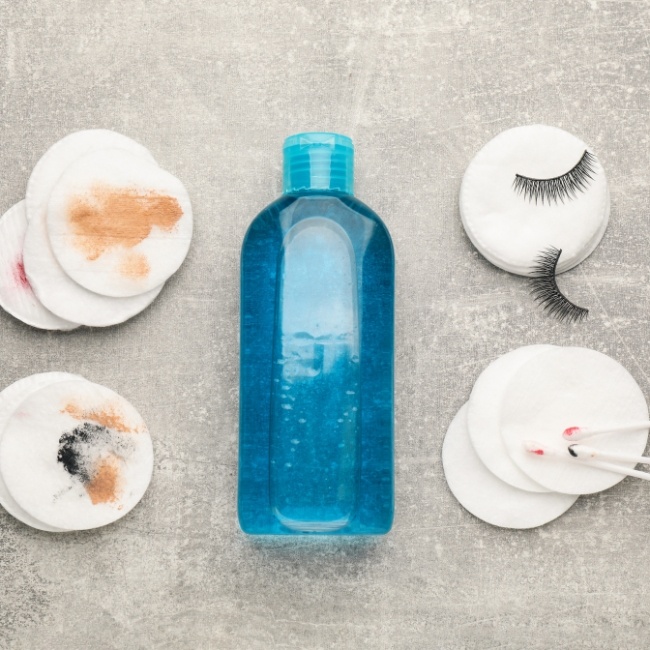
- Mild micellar waters: Good for light cleansing but less thorough for heavy buildup.
- Natural alternatives: Like diluted tea tree solutions (in moderation), but always patch-test.
Building Your Brand with Quality Aftercare
As you scale from R&D to global markets, offering curated cleansers can be a game-changer. Clients appreciate recommendations that feel personalized, boosting loyalty and referrals.
Practical Tips for Safe and Effective Lash Washing
Empowering your clients with easy routines ensures they get the most from their extensions, reflecting positively on your expertise.
Ideal Frequency: Daily Habits for Optimal Results
Aim for twice-daily cleanses—morning to remove overnight buildup and evening to clear daily grime. This habit prevents accumulation, extending wear time.
Essential Tools for Professional-Grade Cleaning
- Soft-bristled brushes: For even foam distribution without tugging.
- Lint-free cloths: Gentle drying to avoid snags.
- Mini fans: Speed up drying without heat damage.
Step-by-Step Guide to Proper Cleansing
- Dispense 1-2 pumps of cleanser onto a clean brush.
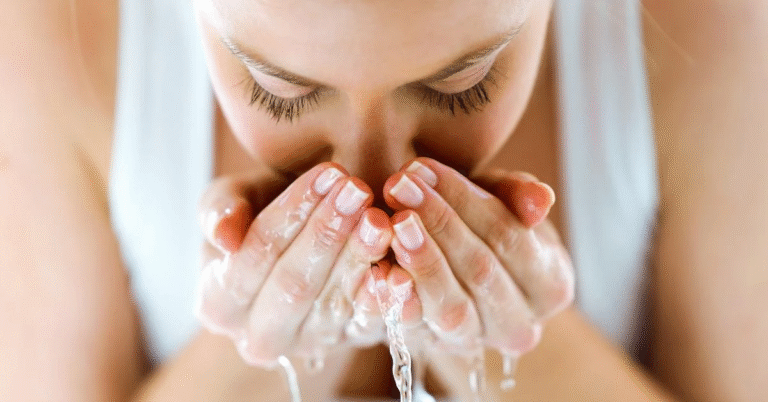
- With eyes closed, apply foam to the lash line using soft, circular motions.
- Rinse thoroughly with lukewarm water.
- Pat dry gently—never rub.
- Optional: Use a fan for quick, safe drying.
Post-Cleansing Precautions to Preserve Lashes
- Avoid friction from rough towels or tissues, which can leave lint or pull lashes.
- Steer clear of heat sources like hair dryers, as they can brittle extensions.
- Wait 24-48 hours post-application before first cleanse to let bonds set.
Empowering Your Clients and Brand Through Proper Care
In summary, cleaning eyelash extensions with the right oil-free, sulfate-free cleanser is key to enhancing retention, maintaining appearance, and protecting eye health. By avoiding harsh soaps and embracing specialized formulas, your clients enjoy longer-lasting results, while you build a reputation for comprehensive care. As you grow your eyelash brand with custom solutions, integrating these practices strengthens client relationships and drives business success. Remember, it’s not just about the products—it’s about the trust and expertise you provide.
FAQs
What soap can I use to wash my eyelash extensions safely?
Opt for oil-free, sulfate-free lash-specific foaming cleansers that are gentle on the eyes and preserve extension bonds.
How often should I clean my eyelash extensions?
Clean them twice a day—once in the morning and once at night—to prevent buildup and maximize longevity.
Can I use baby shampoo on eyelash extensions?
While mild, baby shampoo isn’t ideal as it’s not formulated for lashes; better options are available for optimal results.
What happens if I don’t clean my eyelash extensions regularly?
Buildup can lead to reduced retention, altered curl, irritation, or infections like blepharitis.
Are there natural alternatives to commercial lash cleansers?
Diluted gentle solutions like chamomile tea can work occasionally, but lash-specific products are recommended for consistent safety and effectiveness.