
In 60 seconds: eyelash mites (Demodex)
Eyelash mites (Demodex) are microscopic mites that commonly live in eyelash follicles and nearby oil glands. Most adults have them without any issues—but if they overgrow, they may contribute to eyelid irritation (often called Demodex blepharitis).
Most common things we notice (clients + lash artists):
- Itching at the lash base (especially morning or end of day)
- Redness or swelling along the lash line
- Debris “cuffing” at the base of lashes (often called collarettes)
- Recurring irritation that doesn’t fully resolve with normal makeup removal
- Lashes feeling “gritty” or uncomfortable, with or without extensions
What to do today (safe first step):
- Clean the lash line gently once a day with an eye-safe cleanser, then rinse and pat dry.
When to see an eye doctor:
- If symptoms persist >1–2 weeks, worsen, or you have pain, significant swelling, vision changes, or recurrent styes.
If you’ve ever heard the phrase “eyelash mites” and felt your stomach drop, you’re not alone. We hear the same reaction all the time—from lash clients and lash professionals alike: “Wait… mites live on lashes?”
Here’s the calm reality: Demodex mites are common on adult skin, including around the eyes. For most people, they’re simply part of the skin ecosystem. Problems usually show up when there’s overgrowth plus irritation, and that’s when people notice itching, lash-line redness, or that telltale “cuffing” at the lash base.
In this guide, we’ll share what we see in daily lash conversations, translate the science into normal language, and give you practical steps you can take right away—especially if you wear eyelash extensions.
We can’t diagnose or prescribe, so if your symptoms persist or escalate, we’ll also explain when it’s time to involve an optometrist or ophthalmologist.
Can you see eyelash mites?
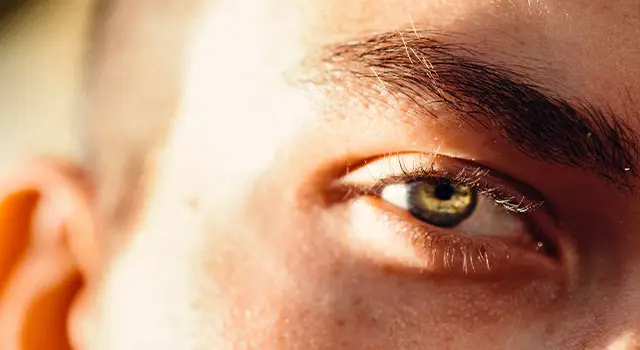
Not usually. Demodex mites are microscopic, so most people can’t see the mites themselves. What you can often observe is the lash-base environment—redness, irritation, or waxy debris that clings right where the lash meets the lid margin.
What do “collarettes” look like on lashes?
Collarettes often look like a waxy sleeve or cuff wrapped around the base of the lash (not the tip). If you keep seeing a “cuff” that returns even after gentle cleansing, that’s a useful detail to photograph and show an eye-care professional.
What are eyelash mites?
“Eyelash mites” usually refers to Demodex—microscopic mites that live in hair follicles and nearby oil glands. Two species are most relevant around the eyes:
- Demodex folliculorum: tends to live in the eyelash follicles.
- Demodex brevis: tends to live deeper in oil glands, including meibomian glands in the eyelids.
They feed on oils (sebum/meibum) and cellular debris, and their life cycle is often described as roughly two to three weeks (commonly 14–18 days in reviews).
What you can do today: treat your lash line like skin, not just a beauty zone. The lash base has follicles, oil, bacteria, and a microbiome—so gentle, consistent cleansing matters.

When mites become a problem: Demodex blepharitis
Eyelash mites usually refers to Demodex—microscopic mites that live in hair follicles and nearby oil glands, including around the eyelids. Many adults have Demodex without symptoms, but higher mite density can be associated with eyelid irritation in some people.
Demodex becomes clinically important when there’s overgrowth plus inflammation, commonly discussed as Demodex blepharitis (a type of eyelid margin inflammation linked to Demodex).
A key visual clue is collarettes—waxy, sleeve-like debris that cuffs the base of the lashes (sometimes called cylindrical dandruff). In a large U.S. clinic-based study, Demodex blepharitis was identified by the presence of collarettes, which the authors describe as a pathognomonic sign.
What you can do today: in bright light, look at the base of the upper lashes (not the tips). If you see “cuffing” stuck at the base that keeps coming back despite cleansing, note it. That observation can be helpful to an eye-care professional.
How common are eyelash mites and Demodex-related eyelid irritation?
Very common—and that’s exactly why we talk about it with zero shame.
- The American Academy of Ophthalmology notes that Demodex overpopulation can be a cause of blepharitis and reports studies suggesting a substantial portion of blepharitis cases involve Demodex.
- In a 2022 multicenter retrospective study of 1,032 U.S. eye-care clinic patients, 57.7% had Demodex blepharitis based on collarettes. Importantly, 44% of patients with collarettes had never been diagnosed with blepharitis.
What you can do today: if you’re a consumer, take one clear lash-line photo in good lighting so you can track change without guessing. If you’re a lash pro, add a quick lash-base check (redness, puffiness, debris/collarettes) during consults.
Why do mites “flare up”? The practical triggers we see most
There’s rarely one single cause. In real life, flare-ups usually happen when a few factors stack:
1. Buildup at the lash base
Mites feed on oils and debris, so a lash line that isn’t being cleaned consistently can become a better “habitat.”
Try this: if sunscreen, eyeliner, shadow, or mascara touched your eye area today, plan a gentle lash-line cleanse tonight.
2. Skipping cleansing because of lash extensions
We love extensions—but we also know some clients avoid washing because they fear fallout or poor retention. The result can be more debris, more irritation, and more itch.
Try this: reframe cleansing as a retention tool. Clean lash bases often hold extensions better.
3. Inflammatory skin patterns
Demodex density and inflammatory conditions like rosacea are discussed in the medical literature, and ocular rosacea can overlap with eyelid margin disease.
Try this: if you manage rosacea or “sensitive skin,” include eyelid-safe cleansing as part of your face routine—don’t treat eyes as separate.
4. Sharing tools or old products
Demodex can spread through close contact and shared items (like eye tools), and old eye makeup can contribute to irritation.
Try this: don’t share mascara, spoolies, lash curlers, or eyeliner. If your eyes are irritated, replace your mascara rather than “pushing through” with an old tube—and if you use strip or DIY lashes, retire any old lash adhesive and switch to a fresh, eye-area-appropriate lash glue.
Do lash extensions cause eyelash mites?
Extensions don’t create Demodex. Demodex are common on human skin.
But extensions can contribute to a flare-up if they lead to less cleansing, more debris retention, or chronic lid irritation.
From our Lashvee perspective, a “healthy set” is built on three things:
- correct isolation and weight (so the follicle isn’t stressed),
- consistent lash-line hygiene,
- aftercare that matches the client’s lifestyle.
What you can do today (clients): if you’re scared to wash, ask your lash artist for a cleansing demo. You should be able to cleanse without rubbing or tugging.
What you can do today (lash pros): teach cleansing as a skill (“this protects retention and comfort”), not a lecture.
Our Lashvee daily routine for a mite-unfriendly lash line
We keep this routine simple because complex routines don’t stick.
Step 1: 20-second check-in
Look for: itch you can’t ignore, redness along the lash line, puffy lids, or debris at the base.
Action: if something looks “new,” take a quick photo.
Step 2: Nightly lash-line cleanse (60–90 seconds)
- Use an eye-safe cleanser meant for the eye area.
- Clean the lash base gently—think “targeted,” not “scrubbed.”
- Rinse well and pat dry.
Extension-friendly tip: you’re cleaning the lash line skin and the lash base—not soaking adhesive. Gentle and consistent beats occasional aggressive washing.
Step 3: Tool hygiene (weekly, or more if you wear daily makeup)
- Wash brushes used near the eyes.
- Use clean spoolies (single-use when possible).
- Clean lash curlers if you use them.
Action: keep a spare clean spoolie in a sealed bag so you’re never tempted to reuse a questionable one.
Where tea tree oil fits (and why we’re cautious)
Tea tree oil (TTO) is frequently discussed in dry eye and lid hygiene literature, and the TFOS DEWS II Management and Therapy report notes that tea tree oil is toxic to Demodex.
Research has also identified terpinen-4-ol as a key active component in tea tree oil with mite-killing activity.
Our Lashvee safety stance is simple:
- We don’t recommend DIY essential-oil experiments near the eyes.
- Concentration matters, and eyelid skin is easily irritated.
What you can do today: if you want a tea-tree-based approach, choose products specifically formulated for eyelids and follow professional guidance—especially if you have sensitive eyes, contact lenses, or extensions.
If you suspect eyelash mites: a practical decision path
Because symptoms overlap with allergies, dry eye, bacterial blepharitis, dermatitis, and more, we don’t want anyone “treating a guess.”
If symptoms are mild and new (a few days)
For the next 7 days:
- cleanse the lash line daily
- pause heavy eye makeup (and if you still want a defined look for events, consider a temporary option like full strip eyelashes while you focus on gentle lash-line hygiene)
- stop sharing tools
- photograph the lash base every 2–3 days
Action: look for a clear trend (better vs. worse) rather than day-to-day randomness.
If symptoms persist, worsen, or keep returning
This is the moment to involve a clinician. The AAO encourages evaluation when eyelids are persistently red, inflamed, or itchy.
An optometrist or ophthalmologist can examine the lash base under magnification for collarettes, evaluate oil glands, and rule out other causes.
Action: bring your lash-line photos and mention extensions, contact lens wear, and your cleansing routine. The details matter.
Medical options an eye-care professional may discuss
We’re not prescribing—just helping you know what to ask about.
FDA-approved treatment: lotilaner ophthalmic solution (XDEMVY)
In the U.S., lotilaner ophthalmic solution 0.25% (XDEMVY) is FDA-approved for the treatment of Demodex blepharitis.
Action: if you’re diagnosed with Demodex blepharitis, ask your clinician about targeted treatment options and expected timelines.
Office-based lid margin care
Some practices offer in-office approaches aimed at reducing lash-base debris and mite load (methods vary).
Action: ask whether the clinic offers in-office lid hygiene support and what home routine they recommend afterward.
For lash artists and salon owners: a Demodex-aware client protocol
We care about this because it affects client comfort, retention, reviews, and safety.
1. Observe—don’t diagnose
During consultation, look for:
- marked redness/swelling at the lid margin,
- obvious crusting or collarettes at the lash base,
- client reports of intense itching/burning.
Action: if signs are concerning, pause service and recommend an eye-care evaluation. Protect the client—and your business.
2. Standardize your aftercare script
We keep it simple:
- “Clean lashes = better retention.”
- “Don’t share eye tools.”
- “If itching or redness persists, see an eye doctor.”
Action: create one short script your team uses consistently. Consistency builds trust.
3. Tight hygiene supports everyone
Demodex awareness overlaps with general infection control: clean tools, clean surfaces, and smart single-use practices.

What about pets—can you catch mites from them?
This comes up often with pet owners. Demodex mites are generally species-specific; humans have their own Demodex species, and pets have different ones. If your pet has hair loss, itching, or skin lesions, that’s a veterinary question.
Action: don’t use human eyelid products on pets. If you’re concerned about your pet’s skin, schedule veterinary care.
Key takeaways
- Demodex eyelash mites are common, and small numbers are normal—don’t panic.
- Collarettes at the lash base are a major clue that Demodex may be involved; they’re worth showing to an eye-care professional.
- Daily gentle lash-line cleansing is the most practical first step—especially for extension wearers.
- Avoid DIY essential oils near the eyes. If using tea-tree-based approaches, choose eyelid-formulated products and follow professional guidance.
- Persistent itching, redness, debris, lash loss, or recurrent styes warrant medical evaluation, and FDA-approved treatment exists in the U.S. for Demodex blepharitis.
- For lash pros: observe, document, refer—don’t diagnose.
Eyelash mites FAQ (quick answers we get every week)
1. Can you actually see eyelash mites?
Not with the naked eye—Demodex mites are microscopic. What you can often see is lash-base debris, especially collarettes (waxy sleeves stuck at the base of lashes).
What to do today: check your lash base in bright light and take a close-up photo. If symptoms persist, bring that photo to an eye-care professional.
2. What do eyelash mites feel like?
People commonly describe itching at the lash base, a gritty or “something’s in my eye” feeling, irritation that flares late in the day, or lids that feel inflamed—especially if there’s also blepharitis.
What to do today: track your symptoms for 7 days (itch level, redness, debris) so you can spot patterns instead of guessing.
choose lighter lash placement (some people prefer half eye lashes to reduce coverage while they monitor irritation).
3. What are collarettes—and why do they matter?
Collarettes are waxy, sleeve-like cuffs around the lash base. In clinical practice, they’re strongly associated with Demodex blepharitis and can be a helpful visual clue for diagnosis.
What to do today: if you see persistent cuffs at the lash base that return quickly after washing, it’s a good reason to seek an eye exam.
4. Is lash “dandruff” always Demodex?
No. Lash debris can come from makeup residue, general blepharitis, oily skin, dry eye, or dermatitis. Demodex is one possible contributor—but symptoms overlap.
What to do today: if debris improves dramatically with consistent lash cleansing and tool hygiene, it may have been mainly buildup; if it doesn’t improve, get evaluated.
5. Are eyelash mites contagious?
Demodex can spread through close contact and shared items, but the bigger day-to-day issue is usually reinfection via tools and products (old mascara, shared spoolies, lash curlers).
What to do today: don’t share eye tools; replace old mascara if your eyes are irritated; keep spoolies single-use or sanitized.
6. Do lash extensions cause eyelash mites?
Extensions don’t create Demodex—but if extensions lead to less cleansing or more debris retention, irritation can flare.
What to do today: make cleansing part of your retention routine. If you’re avoiding washing because of fallout fear, ask your lash tech for a 60-second cleansing demo.
7. How often should I clean lash extensions if I’m prone to irritation?
Most people do best with daily cleansing (especially if you wear makeup, sunscreen, or have oily lids). The key is gentle technique—clean the lash base without rubbing aggressively.
What to do today: set a simple rule: “If anything touched my eye area, I cleanse tonight.”
8. What’s the safest way to clean the lash line (extensions-friendly)?
Use an eye-area safe cleanser, cleanse with light pressure at the lash base, rinse well, and pat dry. Avoid harsh scrubbing and avoid experimenting with essential oils near the eyes.
What to do today: pick one cleanser you’ll use consistently, and keep a clean spoolie as your “non-negotiable” tool.
9. Is tea tree oil safe for eyelash mites?
Tea tree oil components have been studied for Demodex, but DIY essential oil use near eyes is risky—irritation and burns happen, and concentration matters.
What to do today: if you want a tea-tree approach, use products specifically formulated for eyelids and follow clinician guidance—especially if you wear contacts or extensions.
10. When should I see an eye doctor?
See an optometrist/ophthalmologist if you have persistent itch, redness, recurring styes, lash loss, pain, light sensitivity, or blurred vision, or if symptoms keep returning despite good hygiene.
What to do today: bring lash-base photos and mention extensions, contact lens use, and your cleansing routine.
11. How do clinicians confirm Demodex blepharitis?
Often by examining the eyelid margin under magnification and looking for signs like collarettes, plus evaluating gland function and inflammation patterns.
What to do today: don’t self-diagnose—use your observations to support a professional evaluation.
12. Is there an FDA-approved treatment for Demodex blepharitis?
In the U.S., lotilaner ophthalmic solution 0.25% (XDEMVY) is FDA-approved for Demodex blepharitis.
What to do today: if you’re diagnosed, ask your clinician what treatment plan fits your symptoms and how to maintain lash-line hygiene during treatment.
References (APA)
American Academy of Ophthalmology. (n.d.). Are tiny mites causing your blepharitis? Retrieved December 26, 2025, from the American Academy of Ophthalmology website.
Jones, L., Downie, L. E., Korb, D., Benitez-del-Castillo, J. M., Dana, R., Deng, S. X., … Craig, J. P. (2017). TFOS DEWS II management and therapy report. The Ocular Surface, 15(3), 575–628. doi:10.1016/j.jtos.2017.05.006
Rychlik, K., Sternicka, J., Nowicki, R. J., Bieniaszewski, L., & Purzycka-Bohdan, D. (2025). Significance of Demodex folliculorum and Demodex brevis in pathogenesis of dermatological diseases—Current state of knowledge. Medicina, 61(4), 660. doi:10.3390/medicina61040660
Trattler, W., Karpecki, P., Rapoport, Y., Sadri, E., Schachter, S., Whitley, W. O., & Yeu, E. (2022). The prevalence of Demodex blepharitis in US eye care clinic patients as determined by collarettes: A pathognomonic sign. Clinical Ophthalmology, 16, 1153–1164. doi:10.2147/OPTH.S354692
U.S. Food and Drug Administration. (2023). XDEMVY (lotilaner ophthalmic solution) 0.25%: Prescribing information. (Initial U.S. Approval: 2023).
Tighe, S., Gao, Y.-Y., & Tseng, S. C. G. (2013). Terpinen-4-ol is the most active ingredient of tea tree oil to kill Demodex mites. Translational Vision Science & Technology, 2(7), 2. doi:10.1167/tvst.2.7.2